
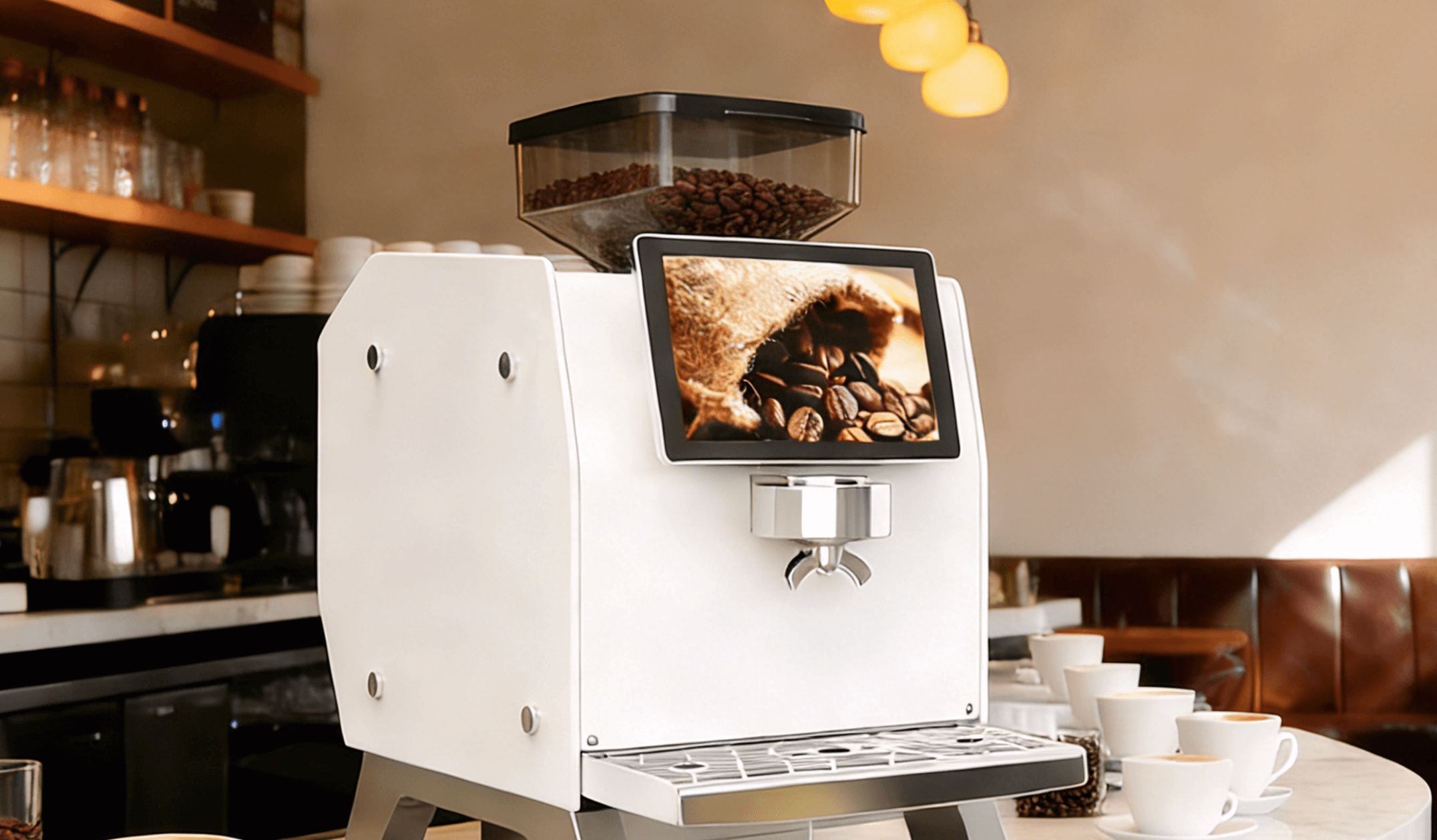
If you run a café, hotel, convenience store, or corporate campus that serves 300+ cups of coffee daily, you know the struggle of peak-hour bottlenecks all too well. A slow machine, a breakdown mid-rush, or inconsistent brew quality can turn loyal customers away—and eat into your profits. The question on every busy operator’s mind isn’t just “what machine should I buy?” but “which commercial coffee machine is best for high volume, without cutting corners on quality or reliability?”
This guide isn’t about pushing a single product. It’s about breaking down the real-world factors that matter when you need to keep up with 500+ cups a day, the machine types that work for different businesses, and the mistakes to avoid so you can make a choice that grows with your operation.
First: What Actually Qualifies as a “High-Volume” Coffee Machine?
Let’s get one thing straight: “high volume” isn’t a one-size-fits-all label. For a small office break room, 100 cups a day might feel like a lot. But for a downtown café or a hotel during conference season, we’re talking about machines built to handle:
- 300–500+ cups per day (with peaks of 8–12 cups per minute during morning or lunch rushes)
- 8–12 hours of continuous operation, 5–7 days a week
- Minimal downtime for refills, cleaning, or unexpected repairs
- Consistent temperature, pressure, and flavor across every single cup
A standard commercial machine might work for a slow Tuesday, but it will crumble under the pressure of a Saturday morning rush. High-volume models are engineered to be workhorses—not just fancy countertop decor.
Key Factors to Prioritize When Shopping for High-Volume Machines
I’ve talked to dozens of café owners, hotel managers, and convenience store operators over the years, and they all agree on one thing: the best machine isn’t always the most expensive or the most feature-packed. It’s the one that checks these 5 critical boxes for your unique business.
1. Brewing Capacity & Workflow (Speed That Doesn’t Sacrifice Flow)
Rush hour isn’t the time to wait for a single boiler to heat back up or a grinder to catch up. Look for:
- A cups-per-hour (CPH) rating that matches your peak demand (not your average daily output—always size for the busiest 2–3 hours)
- Multi-group heads (2–4) for espresso machines, or dual-boiler systems that let you brew coffee and froth milk at the same time
- A direct water line connection (no more stopping mid-rush to refill a tank—game changing for high-volume spots)
One café owner I worked with recently upgraded from a 2-group to a 3-group machine, and they cut their peak-hour wait times by 40%. That’s the kind of difference workflow-focused features make.
2. Durability & Build Quality (Machines That Keep Going, Even When You Don’t)
High-volume use means wear and tear—there’s no getting around it. But the right build quality can extend your machine’s lifespan by years. Prioritize:
- Stainless steel bodies and industrial-grade components (cheaper plastic parts break fast under constant use)
- Burr grinders and pumps rated for 10,000+ cycles (ask the manufacturer for this spec—don’t just take their word for “durability”)
- A 2–3 year parts and labor warranty (non-negotiable. If a brand won’t stand behind their high-volume machine, walk away)
3. Maintenance & Operational Ease (Less Time Fixing, More Time Serving)
Busy teams don’t have hours to spend cleaning or troubleshooting. The best high-volume machines are designed to be low-hassle:
- Automatic self-cleaning systems (for both coffee and milk lines) that save 2+ hours of weekly labor
- Removable brew groups, drip trays, and bean hoppers that make routine cleaning fast and intuitive
- Simple, user-friendly controls (touchscreens or pre-programmed buttons) that reduce training time for new staff
I once had a hotel client switch to a machine with automatic cleaning, and their staff reported cutting their daily closing routine by an hour. That’s time they can spend on other tasks that matter for guest experience.
4. Coffee Quality & Consistency (Every Cup Matters, Even the 500th One)
Speed is useless if your coffee tastes bitter, weak, or different from one cup to the next. For high-volume consistency, look for:
- 19–20 bar pressure (critical for proper espresso extraction, even when brewing back-to-back shots)
- Temperature stability (195–205°F for black coffee, 150–160°F for milk froth) from dual or multi-boiler systems
- Adjustable burr grinders with precise settings (so you can switch between light, medium, and dark roasts without sacrificing flavor)
A convenience store operator I know told me that switching to a machine with better temperature control reduced customer complaints about “burnt coffee” by 75%. Small wins for quality add up to big customer loyalty gains.
5. Cost of Ownership (It’s Not Just About the Sticker Price)
The machine with the lowest upfront cost might end up costing you the most in the long run. Don’t overlook:
- Energy efficiency (ENERGY STAR-rated models cut monthly utility bills—huge for 24/7 operations)
- Maintenance costs (are parts readily available? Is there a local service technician, or will you have to wait weeks for a repair?)
- Waste reduction (precision dosing systems minimize coffee bean waste—saving 10–15% annually for high-volume users adds up fast)
Top Machine Types for High-Volume Settings (Match to Your Business)
Not all high-volume machines are created equal. The best type for your business depends on your team, your space, and your customers.
1. Super-Automatic Bean-to-Cup Machines
- Best for: Convenience stores, hotel lobbies, corporate break rooms (low staff training required)
- Pros: One-touch operation (grind, brew, froth—all in seconds), consistent output, minimal barista skill needed
- Real-world win: A gas station client of mine uses these machines to serve 400+ cups a day with only one part-time staff member manning the counter.
2. Multi-Group Espresso Machines
- Best for: Cafés, coffee shops, full-service restaurants (barista-driven, custom drink focus)
- Pros: High flexibility for lattes, cappuccinos, and specialty drinks, fast parallel workflow, built for rush-hour demand
- Real-world win: A downtown café I consult for uses a 3-group machine to handle 500+ cups a day during weekend brunches—no breakdowns, no quality dips.
3. High-Capacity Drip Coffee Makers
- Best for: Buffets, corporate cafeterias, gas stations (large batches of black coffee)
- Pros: Brews 10–12 pots per hour, keeps coffee warm without burning, low cost per cup
- Real-world win: A corporate campus client uses these to serve 300+ cups of black coffee daily to employees—no fuss, no fancy skills needed.
Mistakes to Avoid (Lessons From Real Operators)
Over the years, I’ve seen businesses make the same costly mistakes when buying high-volume machines. Don’t fall for these:
- Sizing for average, not peak demand: Buying a machine that handles 200 cups a day when your Saturday rush hits 400 will lead to bottlenecks every time.
- Sacrificing quality for speed: A fast machine that makes bad coffee will drive customers away faster than a slow machine that makes great coffee.
- Ignoring service networks: A top-of-the-line machine is useless if repairs take weeks (always check for local technicians before buying).
- Forgetting space constraints: A 4-group espresso machine needs a lot of counter space—measure your area first, or you’ll end up with a machine that doesn’t fit.
Final Verdict: Which Commercial Coffee Machine Is Best for High Volume?
Here’s the truth: there’s no universal “best” high-volume commercial coffee machine. The right choice for you depends on your unique business needs—your daily cup count, your team’s skills, your space, and your budget.
But if you’re serving 500+ cups a day, you need a machine that’s built to keep up: look for direct water line connections, automatic cleaning, 2+ year warranties, and 19–20 bar pressure. And always, always test a machine (or read verified reviews from operators with similar volume) before making a purchase.
For businesses that need a reliable 500-cup/day solution, we offer a purpose-built high-volume model that checks all these boxes. But regardless of the brand you choose, use the factors in this guide to vet your options—your team, your customers, and your bottom line will thank you.
P.S. If you’re still on the fence, reach out to other operators in your industry. Their real-world experience with high-volume machines is worth more than any marketing brochure.